A Cool, Unhurried Home: Storing Small-Batch Hemp Oil in a British Kitchen
There is a certain kind of British kitchen where everything has a place. The teabags live by the kettle, the salt sits within reach of the hob, and the good olive oil is kept away from the window. Hemp oil deserves the same quiet consideration. Not because it is precious, but because it is small-batch, and small-batch things tend to reward a little attention.
Storage is rarely the glamorous part of a wellness routine. It does not photograph well. But if you have spent any time choosing a British hemp oil — reading the label, checking the batch, deciding between seed oil and CBD — then where you keep it afterwards is part of the same care. Here is a calm, practical guide to giving your oils a sensible home.
Why hemp oil is a little fussy (but not difficult)
Hemp seed oil is rich in polyunsaturated fats, which is one reason people like it. Those fats are also the reason it does not love heat, light or long stretches of time. They can oxidise, and oxidised oil tastes and smells tired. CBD oil is a different beast — usually a hemp extract carried in a base oil such as olive, hemp seed or MCT — but it still benefits from being kept cool and dark. Neither oil needs a laboratory. They just need fewer extremes.
The main enemies are straightforward: bright light, warmth, air, and age. A windowsill above a radiator is the worst of all worlds. A cool cupboard away from the oven is much better. The fridge is useful for some oils, less so for others. None of this is complicated once you know what you are dealing with.
Fridge or cupboard? A sensible split
The honest answer is: it depends on the oil and how quickly you use it. Hemp seed oil, the culinary kind, is best kept in the fridge once opened, especially if you plan to drizzle it over salads or stir it into dressings over several weeks. The cold slows oxidation and keeps the flavour fresher for longer. If you buy a small bottle and finish it within a month, a cool dark cupboard is usually fine. But for most British kitchens, the fridge is the safer default for seed oil.
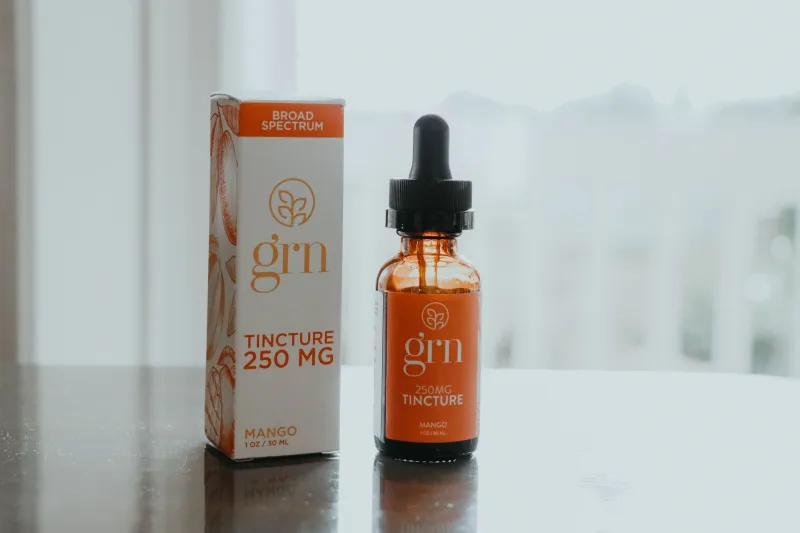
CBD oil is more forgiving. Many labels suggest a cool, dark cupboard, and that is often enough for a bottle you will use within three to six months. Some people prefer the fridge, particularly in summer or if the kitchen gets warm. The key is consistency and reading the specific label — a small-batch producer will usually tell you what they recommend. If the label says cupboard, trust it. If it says fridge, make room next to the milk.
Light, heat and the British kitchen
British kitchens are not usually tropical, but they have their own microclimates. The shelf above the radiator. The windowsill that catches the afternoon sun. The corner beside the oven that quietly warms up every time you roast something. These are not ideal homes for hemp oil.
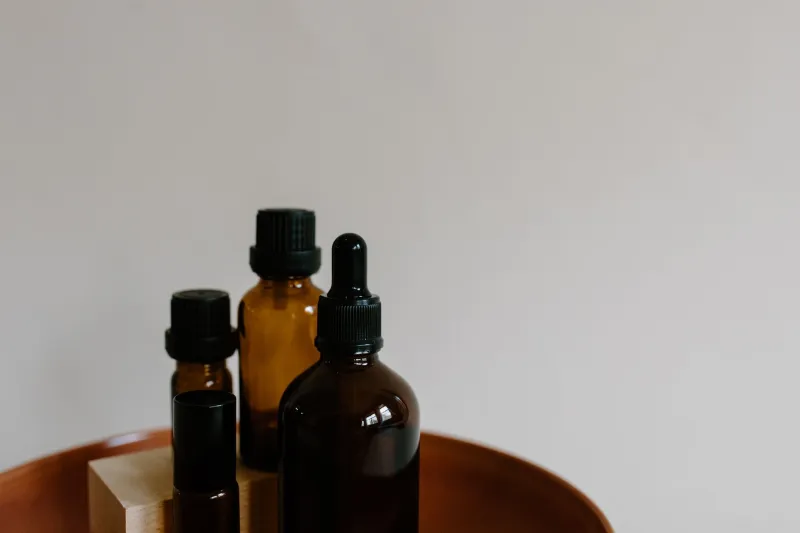
Amber or dark glass bottles are your friend here. They filter some light, though they are not a force field. If your oil came in a clear bottle, keep it in its box or move it into a dark cupboard. Avoid storing oil directly next to strong-smelling foods if you can — hemp oil does not need to pick up the aroma of last night's curry. A cool, dark, relatively stable spot is the goal. It does not need to be perfect. It just needs to be consistent.
The bottle-size question
This is where small-batch buying has a quiet advantage. A smaller bottle means less oil sitting around after opening, and less opportunity for oxygen to do its work. If you are choosing between a large bottle you will use slowly and a smaller one you will finish in a few weeks, the smaller one is often the better storage decision.
It also helps to decant if you buy in bulk. A large bottle that gets opened repeatedly exposes the oil to more air. A small amber bottle for daily use, refilled from a larger one kept in the fridge, is a simple way to keep things fresh. Just make sure the smaller bottle is clean and dry before refilling. Water and oil are not good companions in this context.
Dates, batches and the honest nose test
Small-batch British hemp producers tend to put a batch date or best-before on the label. Use it. A best-before is not a strict deadline, but it is a useful marker. Once opened, many oils are best used within three to six months, depending on the type and how it is stored. Write the opening date on the bottle if you are the forgetful sort. It is a small habit that saves a lot of squinting at labels later.
And then there is the nose. Hemp seed oil should smell mild, slightly nutty, perhaps a little grassy. If it smells like old nuts, crayons or a dusty paintbrush, it has turned. The taste will be bitter or stale. CBD oil is harder to judge by smell alone, but a sudden change in flavour or an oily texture that feels off is worth noting. Cloudiness in CBD oil is not automatically a problem — some oils crystallise in the cold and clear up at room temperature — but a rancid smell is a clear signal. When in doubt, trust your senses over the date.
A small routine, not a chore
Storing hemp oil well is not about building a laboratory in your kitchen. It is about a few quiet decisions: a cool cupboard, a fridge shelf, a smaller bottle, a date written on the label. It is the same spirit as choosing a small-batch British oil in the first place — a bit of care, a bit of attention, and no unnecessary fuss.
So find your oil a calm corner. Keep it away from the window and the radiator. Use it steadily. And if it ever smells tired, let it go without guilt. That is not waste; it is just the end of a small batch doing its job.