Small Print, Soft Skin: Reading a British Hemp Balm Without the Hype

Photo: Halyma, CC BY-SA 2.0, via Wikimedia Commons
There’s a particular kind of hope in a new balm tin. It’s small, it’s British, it has a botanical illustration on the lid and a promise about “calm” or “restore” in a serif font. Then you turn it over and the back label looks like a chemistry exam. That’s not a reason to put it down. It’s just a different kind of reading — slower, more curious, and a lot less impressed by adjectives.
This isn’t about catching makers out. Small-batch British hemp brands are often run by people who genuinely know their waxes from their butters. It’s about knowing which details help you choose a balm that suits your skin and your routine, and which are just nice words doing a lot of work.
Start with the tin, not the tagline
The front of a balm is marketing. The back is the working document. A good label doesn’t need to be poetic to be trustworthy. In fact, the plainer the ingredients list, the easier it is to see what you’re actually putting on your hands, elbows or winter-dry knees.
Look first for the full INCI list — the international naming system for ingredients. It can look forbidding, but you only need to recognise a few families: waxes, butters, carrier oils, essential oils and any active hemp extract. If the list is short and legible, that’s usually a good sign. If the tin talks about “ancient wisdom” but never quite says how much CBD is inside, keep reading.
The base tells you more than the buzzwords
A balm is mostly base. That’s the wax, butter and oil that hold it together and do the moisturising. Common British choices include beeswax (not vegan, but effective), candelilla or carnauba wax for plant-based tins, shea or cocoa butter, and carrier oils such as sunflower, olive, sweet almond or hemp seed oil.
The order matters. Ingredients are listed by weight down to 1%, so the first few names are the ones doing the heavy lifting. If hemp seed oil appears after a long list of silicones and mineral oil, it’s a guest, not the star. That’s not automatically bad — mineral oil is a perfectly respectable occlusive — but it’s useful to know what you’re buying.
Also check whether the CBD is actually CBD. A tin labelled “hemp balm” may contain only hemp seed oil, which is nourishing but doesn’t contain cannabinoids in any meaningful amount. If CBD is present, the label should say so clearly, with a number.
CBD is a number, not a personality
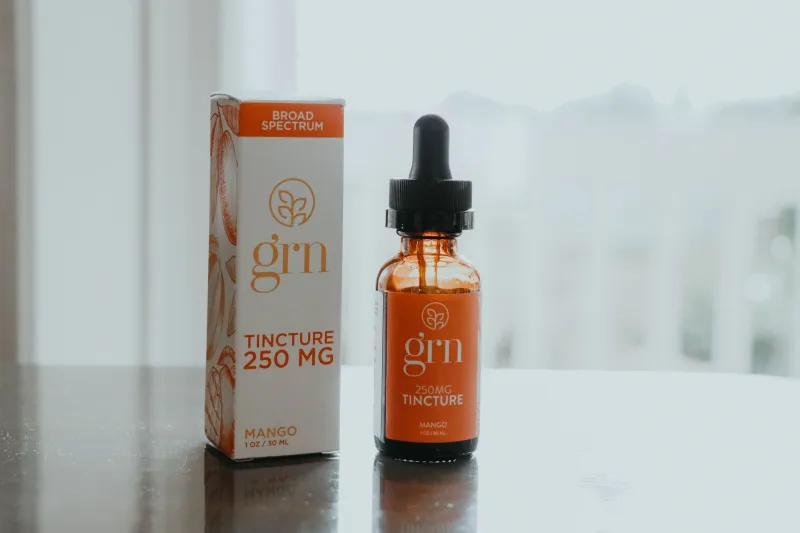
You’ll see tins marked “250mg”, “500mg” or “1000mg”. That’s usually the total CBD in the tin, not per ml. A 500mg balm in a 30ml tin works out at roughly 16.7mg per ml. That’s a useful figure for comparing pots, but it doesn’t tell you how much you’ll absorb. Balms are topical; they sit on the skin and do their thing locally. They are not a substitute for an oil taken under the tongue, and a higher number isn’t automatically better for dry hands.
The calmer question is: does the maker explain their number? A small-batch brand should be able to tell you the CBD content per tin, the batch size, and whether they use isolate, broad-spectrum or full-spectrum extract. If the answer is vague, that’s information too.
Essential oils: the small print that matters for sensitive skin
Essential oils make a balm smell lovely and give it a ritual feel. They can also irritate. UK labelling rules require certain allergens — limonene, linalool, citronellol, geraniol, eugenol and others — to be listed when they exceed set thresholds in leave-on products. That’s why you sometimes see a bracketed list after “lavender oil” or “rosemary extract”.
If your skin is reactive, don’t be dazzled by “natural fragrance”. Natural is not the same as gentle. Patch test on the inside of your wrist, especially with peppermint, eucalyptus, cinnamon or citrus oils. And treat “fragrance-free” with a small question: it should mean no added fragrance, but some products use masking fragrances to cover the smell of the base. A good maker will tell you the difference.
Batch codes and the story they tell
Small-batch means smaller runs, which usually means shorter shelf life. That’s not a flaw; it’s a trade-off. Look for a batch code, a best-before date and a period-after-opening symbol — the little jar with “6M” or “12M” on it. Store your balm somewhere cool and dark, not on a sunny windowsill, and use clean fingers or a small spatula.
A batch code is also a conversation starter. If you email a British maker and ask when your tin was made, a good one will tell you without drama. That kind of plainness is worth more than a paragraph about “wildcrafted botanicals”.
The questions worth asking a maker
You don’t need to interrogate anyone. A short, friendly email is enough. Try: What’s the CBD content per tin and per ml? Is the hemp seed oil British-grown? What wax do you use? Are there any essential oils or fragrance allergens? What’s the PAO and how should I store it? Can you tell me the batch code?
The answers will tell you as much as the label. A maker who says “I’m not sure, let me check” is often more trustworthy than one who replies with a brochure.
A balm that earns its place
The best balm is the one you actually use up. One tin by the sink, one in your bag, maybe one by the bed — that’s plenty. If you’re comparing, keep a note of the texture you like: firm and waxy, soft and whipped, quick-absorbing or a bit occlusive. A balm for gardeners’ hands is not the same as one for facial skin.
And if a tin irritates you, stop. No label is worth a rash. The small print isn’t there to scare you; it’s there to help you have a calmer conversation with the thing you’re about to put on your skin. Read it slowly, ask one good question, and let the marketing settle. The right balm will still be there in the morning.