Small Change, Real Shelf: A Frugal Hemp Starter Kit That Isn't a False Economy

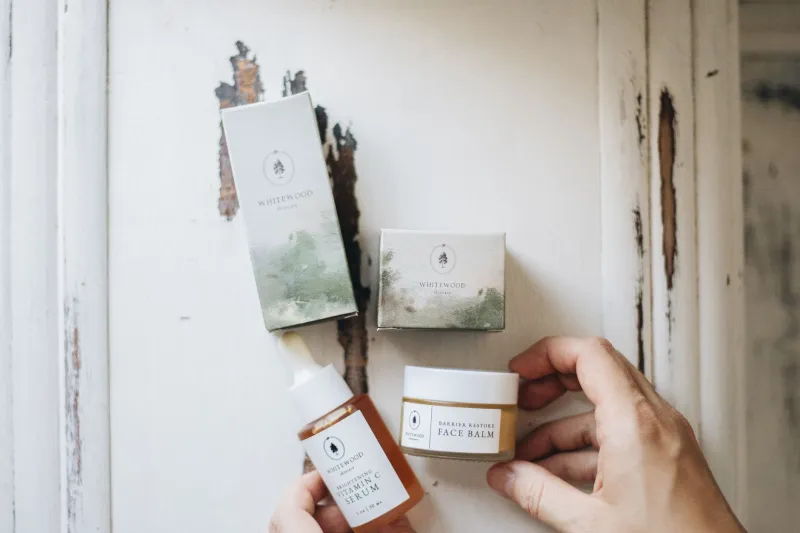
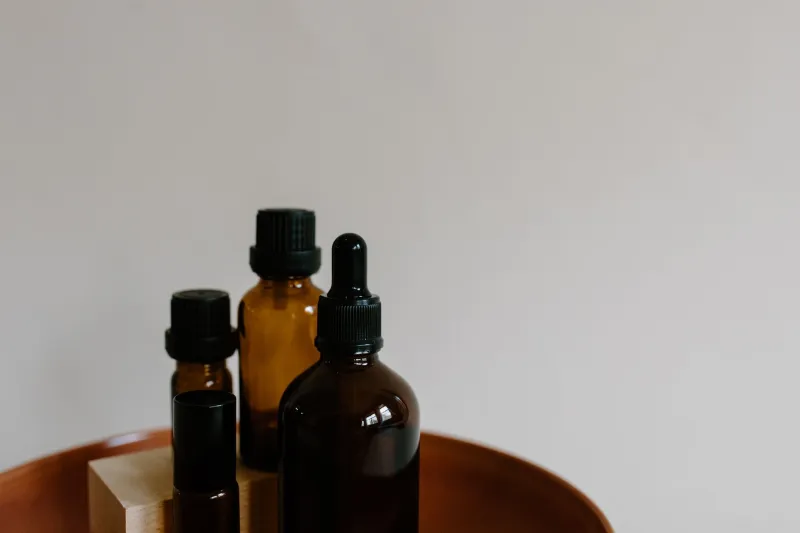
Photo: small hemp balm tin, amber oil bottle and loose leaf tea on a wooden British kitchen table, via www.quoteradar.co.uk
Start with the number, not the brand
Most hemp buying advice begins with the product. Ours begins with the budget, because that is how actual shopping works. If you have ten to fifteen pounds to spend, that is not a compromise — it is a brief, and a clear one. The question is simply which single thing earns its place, and which things only look like value.
Below are three routes, each capable of landing inside that range if you shop sensibly, followed by the things worth skipping and the label details worth checking when money is tight.
Route one: the single balm
A balm is often the best first purchase, and the reason is boringly practical: it is a format you already understand. You know where to put it, you know how much feels like enough, and there is no measuring, no dropper, no debate about whether to hold it under the tongue.
For ten to fifteen pounds you are usually looking at a 30ml to 60ml tin from a small producer. That is a genuinely long stretch of use — weeks, not days, if it lives in a pocket rather than being scooped out in handfuls. Check the base as well as the hemp: beeswax, shea, coconut, olive. A balm that suits your skin matters more than an impressive number on the front of the tin.
Route two: the small bottle
A 10ml oil can sit right at the top of the range. It looks tiny — almost comically so next to the enormous bottles in some shop windows — but 10ml is roughly 200 drops. Used once or twice a day, that is a fair run.
The trap here is comparing bottles by price per bottle instead of price per milligram of cannabinoids. A ten pound bottle with weak content can be worse value than a fifteen pound bottle with double. Look for the total CBD in the bottle, the milligram figure per ml, and whether the label says how it was extracted.
Route three: the tea
Loose hemp tea, or a hemp and herb blend, is the cheapest way onto the shelf and the easiest to keep there. Expect six to ten pounds for a decent 30g to 50g pouch from a British seller. It is also the lowest-commitment option: if you discover you dislike the earthy, slightly green flavour, you have lost a tenner and gained a lesson, which is a fair trade.
A word of realism: hemp tea is not a strong cannabinoid product. Many people drink it because they like the ritual, the warmth and the taste, and that is a perfectly good reason.
The comparison, plainly
- Single balm — best for beginners, easiest to use, no measuring, hard to waste. Best value per use for most people.
- Small oil — best if you want precise, repeatable amounts and are willing to read a label properly. Worst value if you buy by bottle price alone.
- Simple tea — best for the smallest spend and the gentlest habit. Cheapest per sitting by a wide margin.
What to skip when the budget is fifteen pounds
- Bundles and starter kits. They exist to raise your average spend. Three items you half-use are not better than one you finish.
- Gummies and novelty formats. Pricey per milligram, heavily flavoured, and often the least informative label on the shelf.
- Anything with a lifestyle photograph bigger than the ingredient list. You are paying for the shoot.
- Big bottles as a 'value' buy. A 100ml bottle you cannot store properly is not a saving. Oils want a cool, dark cupboard, not the shelf above a radiator.
- The upgrade ladder. Full spectrum, extra strength, water-soluble, nano — if you have not yet worked out whether you like the basic version, the upgrade is a guess with a receipt.
False economies to watch for
Cheap is not the same as good value. A balm at four pounds with no batch number and a nonsense address is not a bargain, it is a question mark. Equally, an unnamed marketplace listing priced at £6.99 with free postage and a photograph borrowed from another brand should make you slow down rather than speed up.
Postage is the other quiet cost. A ten pound order plus four pounds of delivery is a fourteen pound order. Plenty of British sellers have a free-delivery threshold — sometimes it is worth waiting a fortnight and buying one better thing than making two small orders that each carry a charge.
Reading a British label when price matters most
Five things, in this order:
- The batch number and best-before date. No batch code is a red flag at any price point.
- The milligram figure, and whether it is per bottle or per ml. This is where your price-per-milligram maths lives.
- The ingredient list. Carrier oil, wax, flavouring. Short lists are easier to judge.
- A UK contact address. A real company you could write to, not just a PO box in a stock photo.
- What it does not say. Vague claims about wellness and no numbers at all usually mean the marketing is the product.
Where the extra two pounds goes
If you can stretch from ten to thirteen, spend the difference on traceability rather than quantity. Third-party testing information. A named farm or region. A producer who tells you the size of the batch. Those are the things that separate a cheap product from a good one, and they cost a small brand real money to provide.
A last word on patience
A fifteen pound shelf is a starting point, not a verdict. Buy one thing, use it properly, finish it, and let the next purchase be informed by what you actually reached for. Small and unhurried beats a cupboard full of optimism every time.