The Almost-Empty Shelf: Finishing Hemp Oils and Balms Without the Scramble
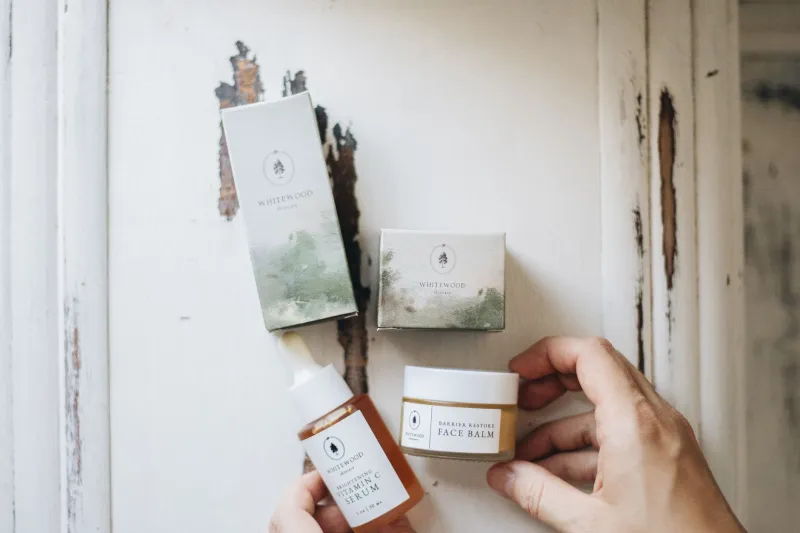
By mid-November, most of us have a small cluster of nearly-finished things. A dropper bottle tilted on the kitchen shelf. A balm tin with a crescent of product around the edge. A hemp seed oil bottle that makes a hollow sound when you lift it. None of this needs a dramatic clear-out. It needs ten quiet minutes, a warm cloth and a bit of label-reading. At 3 Little Birds Hemp, this is the sort of small-batch housekeeping we like: not thrift for its own sake, but attention to what is already on the shelf.
Start with a five-minute shelf check
Take the almost-empty products down and put them together on the counter. You are not judging your habits. You are simply gathering information. Turn each one over and look for the product name, the batch code, any best-before date and the little open-jar symbol. If you wrote the opening date on the label, good. If you did not, be honest about roughly when it came into the house. A pencil or a phone note is enough for next time.
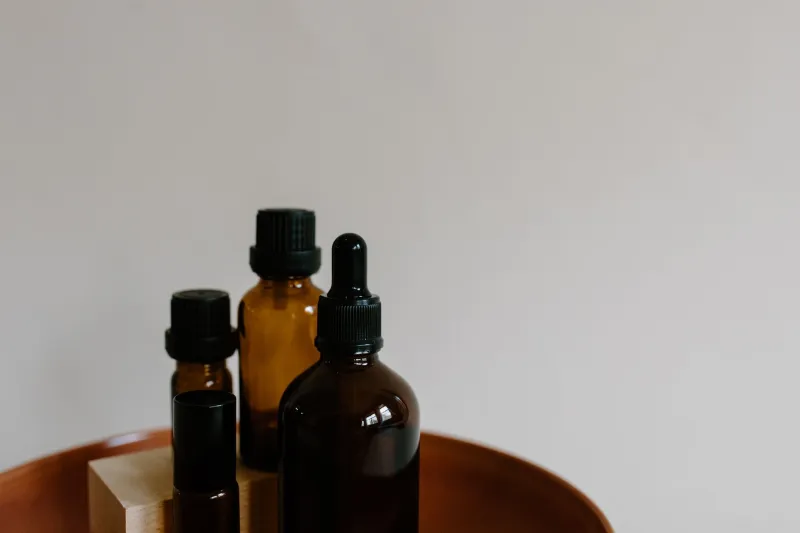
For oils, use your senses. Hemp seed oil that has gone tacky, cloudy in an odd way or smells like old walnuts is not a kitchen hero. A CBD oil that has been stored near a radiator for months deserves a closer look at its label instructions. Balms are more forgiving, but if the smell has turned sharp or the texture has become gritty and unpleasant, do not force it. Small-batch products are not designed to be immortal. They are designed to be used.
The last useful drops
There is a difference between using something up and scraping at hope. With a food-grade hemp seed oil, the final tablespoon can go into a salad dressing, a bowl of soup or a tray of roasted vegetables. Check the label first: cosmetic-grade oil belongs on skin, not in supper. With a CBD oil, follow the product instructions and do not turn the last few drops into a test of willpower. If you have barely used it, the useful question is not how to finish it but why it did not fit your routine.
A balm tin is often easier. Warm it between your palms for a moment, then use what remains on cuticles, elbows, heels or any dry patch that needs a little care. A small silicone spatula or the back of a fingernail will reach the edges without gouging the tin. If the balm is meant for lips, keep it for lips. If it is a body balm, let it be a body balm. The aim is a tidy finish, not a complicated second life.
Reading the little open-jar symbol
The open-jar symbol, usually marked 6M or 12M, is the period-after-opening date. It does not mean the product expired on the shop shelf. It means the clock started when you first opened it. Six months, twelve months: count from your opening date, not from the batch date. If the label also gives a best-before date, use the earlier of the two as your prompt to check.
Storage matters more than many of us admit. A bathroom cabinet can be warm and steamy; a kitchen windowsill can be bright and hot. Neither is kind to oils. A cool, dark cupboard away from the radiator and the hob is a better home. Keep lids tight and droppers clean. If a product has no period-after-opening symbol, treat it with common sense: smell, texture, colour and the label instructions are your guide.
Cleaning and recycling without a rigmarole
Glass dropper bottles can usually be rinsed with warm soapy water once empty. Soak the label if it is paper, peel it off where you can, and let the glass dry. Check your local council’s kerbside rules before putting anything in the recycling bin. Some accept amber glass; some ask for it at a bottle bank. Pipette bulbs and mixed-material closures are often not recyclable, so separate what you can and check the rest.
Tins are straightforward if they are clean. Wipe out any oily residue, let them dry and recycle them if your council accepts metal tins. Do not pour leftover oil down the sink in any quantity. A small wipe with kitchen paper and a warm soapy rinse is usually enough. If you are reusing a tin for hairpins, seeds or odds and ends, make sure it is thoroughly clean and dry first. Reuse is good, but not if it leaves a greasy surprise in a drawer.
Reorder, pause, or pass it on
Before you buy another bottle, ask two questions. Did I actually use this? Did it suit my routine? If the answer is yes to both, reorder before the last drop, but do not panic-buy three. A simple one-in-one-out rule works well on a small shelf. If the answer is no, let the product go rather than replacing it out of guilt. If it is nearly out of date and largely unused, passing it to a friend who will use it is kinder than forcing it into a routine that never fitted.
Make a note of the batch and the date you opened the new one. It takes seconds and saves the same guesswork next year. British small-batch makers often work in seasonal runs, so a favourite may not be available at exactly the moment you run out. That is a reason to plan gently, not to stockpile. A short wait is not an emergency.
Finishing a hemp product well is a small act of respect: for the maker, for the ingredients and for your own shelf. Use what is useful, read what is printed, recycle what you can and reorder only what earns its place. The almost-empty shelf is not a problem to solve in a rush. It is simply the next quiet step in a mindful routine.