The Weight of a Wheelbarrow: Following One British Hemp Plot from Cut to Bottle
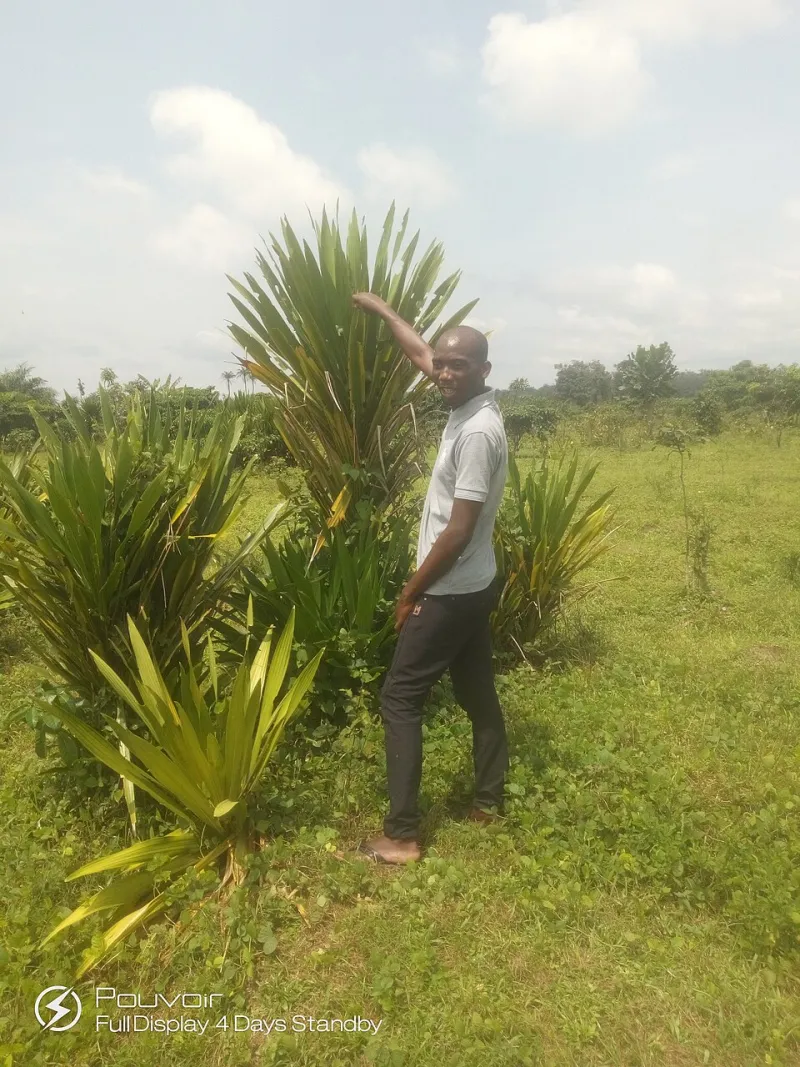
Photo: Inlovewithnature, CC BY-SA 4.0, via Wikimedia Commons
The plot
It is a long, narrow field on the edge of a Herefordshire holding, bounded on one side by a hedge that has not been laid in thirty years and on the other by a track that turns to soup in October. Half an acre, give or take. Enough to be worth the paperwork, not enough to justify a combine.
Growing hemp in the UK needs a licence from the Home Office, and the fee alone runs into the hundreds of pounds before a single seed goes in. That is the first thing worth saying plainly: this is not a crop you try on a whim. The second thing is that everything about a plot this size is done in small increments, by hand or by borrowed machinery, and the numbers that come out the other end are correspondingly modest.
The figures below are illustrative — real yields swing wildly with weather, variety and soil — but the shape of them is honest, and the shape is the point.
Late August: deciding the day
Hemp for seed is usually ready somewhere between late August and mid-September in this part of the country. The tell is not the height of the plant, which is meaningless, but the seed heads: the lower ones firming up, the chaff beginning to dry, a faint rattle if you shake a stem.
Leave it a week too long and the birds will take their cut before you do — and they take it cheerfully. Cut too early and you are drying wet material, which is where losses begin. On our plot the decision usually comes down to a five-day weather window and a conversation with the neighbour who owns the mower.
Cutting and the drying problem
Cut stems are left in windrows for a few days, then gathered and taken to a barn with airflow. Seed needs to come down to roughly ten to twelve per cent moisture before it will store without moulding. In a good year that is a fortnight of patience. In a bad year it is a month, a dehumidifier on loan, and a certain amount of turning with a fork.
This is the first place weight vanishes. Fresh-cut material can shed a fifth of its mass in water alone. Nothing has gone wrong; that is simply what drying is.
Cleaning: where the weight goes
A half-acre plot might give you somewhere in the region of eighty to a hundred and twenty kilos of seed in a decent year. Take a middle figure: ninety-five kilos.
That is not ninety-five kilos of usable seed. It arrives mixed with chaff, leaf, broken stem and a certain amount of grit. Cleaning — sieving, winnowing, sometimes a borrowed gravity separator — is slow and unglamorous, and it typically removes a chunk of what you carried in. Call it a further ten to fifteen per cent off the top.
So the wheelbarrow you pushed in is not the sack you carry out.
Pressing: the arithmetic
Seed oil is cold-pressed, and cold pressing is not an efficient process. Expect roughly a quarter to a third of the seed weight to come out as oil. From ninety-five kilos of cleaned seed, that is somewhere around twenty-five to thirty litres before filtering.
Filtering takes a little more. Bottling takes a little more — a line always loses a few millilitres, and a batch small enough to be filled by hand loses more than a factory would. A batch tested once for cannabinoid content and once for contaminants is a batch with a few hundred pounds of cost sitting in the paperwork, not in the bottle.
Twenty-five litres sounds like a lot until you divide it into 100ml bottles and discover you have around two hundred and fifty of them — and that is the entire year's output from that field. Two hundred and fifty bottles is a market stall and a website. It is not a supermarket.
Flower, fibre and the awkward middle
Plots grown for flower rather than seed behave differently again, and the numbers fall harder. Dried flower yields are measured in kilos per acre, not tens of kilos, and the trimming alone can eat days. Extracting oil from flower is a different process with a far lower conversion rate; the volume that comes out would fit in a kettle.
Fibre is the other route entirely, and it needs scale — balers, decortication, a buyer. Nobody runs half an acre for fibre and makes a living.
The cost column
Add it up honestly: licence, certified seed, drilling, weeding (there is always weeding), harvest, drying, cleaning, pressing, testing, bottles, labels, and the days of labour nobody invoices because it is the same pair of hands that answers the emails.
Divide that by two hundred and fifty bottles and the reason small-batch British hemp costs what it costs stops being mysterious. It is not a premium for the story. It is arithmetic, done in public.
What 'small batch' actually describes
It describes a quantity. It describes a traceable quantity, with a date on it and a field behind it and a person who can tell you which week it was pressed. It does not automatically mean better — a small batch can still be a badly made one — but it does mean the batch is a finite, checkable thing rather than an average of five suppliers blended in a warehouse.
That is the whole of the claim. Not romance. Just a number you can follow back to a hedge.