After the Last Drop: A Calm Sort-Out for Hemp Bottles, Tins and Dropper Caps
There is a particular moment, somewhere near the end of a jar of hemp balm, when the packaging stops being packaging and becomes a small household dilemma. The tin is smeared. The dropper bottle has a film of oil around the shoulder. The little cap has a rubber teat that looks recyclable and a plastic collar that may or may not be. You want to do the right thing. You also want to put the kettle on and not spend twenty minutes reading council leaflets.
That is the spirit of this guide: kitchen-sink clarity, not a lecture. Small-batch hemp brands—including this one—talk a good deal about sourcing and materials. Some of that talk is useful. Some of it is decoration. What follows is a gentle way to sort the actual objects on your worktop, plus a few questions that cut through the word 'recyclable' when it is doing more marketing than describing.
Start with the sink, not the bin
The single most useful thing you can do with an empty hemp oil bottle or balm tin is give it a quick wash. Not a sterilisation ceremony. A rinse and a swill.
UK kerbside collections vary from council to council, but most ask for containers to be empty and reasonably clean. Food and oil residue can contaminate a load of recycling, and a greasy bottle is more likely to be pulled out than processed. Warm water, a drop of washing-up liquid, a shake, and a dry on the rack is usually enough. If the label peels off easily, let it. If it does not, leave it—most recycling facilities remove labels as part of the process, and picking at a stubborn label is a good way to lose an evening.
For balm tins, use a spatula or the corner of a piece of bread to get the last usable balm out. Then wipe the tin with a piece of kitchen roll before washing. Oil and water do not mix, and the less oil that goes down the sink, the kinder it is to your pipes.
Three objects, three different answers
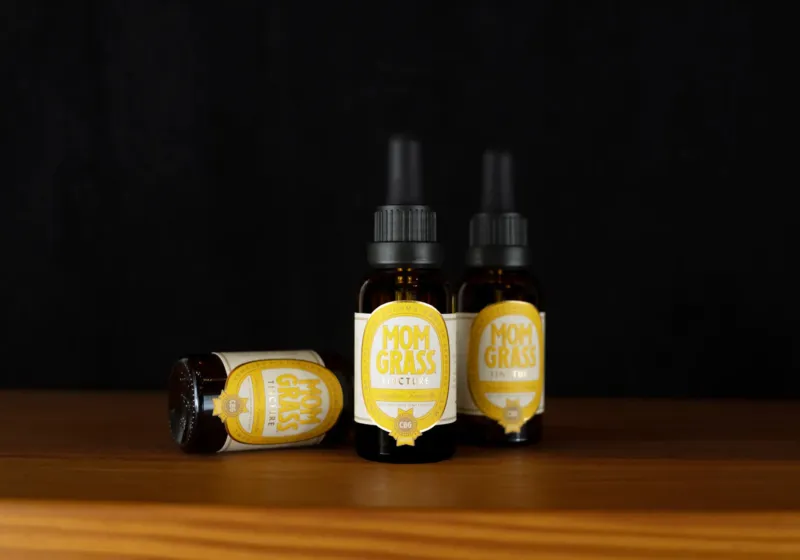
The oil bottle. Small-batch hemp oil usually arrives in amber glass or dark plastic. Glass is widely recycled at kerbside in the UK, though some councils collect it separately. Plastic bottles—especially dark PET or HDPE—are often accepted, but check your local authority's list. Remove the dropper or pump first. Rinse the bottle. If it is glass and your council does not take glass at kerbside, find a local bottle bank. That is a five-minute walk, not a moral failing.
The dropper cap. This is the awkward one. A dropper assembly often combines a glass pipette, a rubber bulb and a plastic collar. These are different materials, and many kerbside schemes do not want them mixed. Some councils accept plastic caps, some do not. The rubber teat is rarely recyclable at kerbside. If you cannot separate the parts, the honest answer is that the cap may need to go in general waste. Before you feel bad about that, ask the brand whether they offer a take-back scheme or a simpler cap. A small brand that sells a lot of droppers should have thought about this.
The balm tin. Steel and aluminium tins are recyclable in principle, and many UK councils accept them at kerbside as metal packaging. Clean them first. If the tin has a plastic window or a mixed-material lid, separate what you can. A plain tin with a paper label is usually the easiest thing on the shelf to recycle. This is one reason balms in tins have a quiet advantage over products in composite tubes.
What 'recyclable' is really telling you
The word 'recyclable' on a hemp label is not a promise that your council will recycle it. It usually means the material is technically recyclable somewhere, under some conditions. That is a low bar. The more useful questions are about your actual kerbside stream.
When a brand says 'compostable', ask: compostable where? A home compost heap is not the same as an industrial composting facility, and many UK councils do not collect compostable packaging at kerbside. If a compostable film or pouch ends up in general waste, it may behave much like conventional plastic in landfill. That does not make it evil. It makes it a material that needs the right end-of-life route.
A few questions worth asking, in your head or by email:
- Is the bottle glass or plastic, and does the cap come off without tools?
- Are the dropper parts separable, and which parts are recyclable at kerbside?
- Does the brand have a take-back scheme or a refill option?
- If it says compostable, is that home compostable or industrial, and does my council actually collect it?
- Is the label paper or plastic, and does it need to be removed?
You will not always get a straight answer. That itself is information. A brand that can tell you the material and the route is usually a brand that has looked at its own packaging. A brand that answers only with the word 'eco-friendly' has told you something too.
A three-step routine that sticks
Keep it simple, or you will not keep it at all.
- Empty and wipe. Scrape the balm, drain the oil, wipe the worst of the grease. This takes a minute.
- Separate and rinse. Pull off caps, droppers and pumps. Rinse the bottle or tin. Put the parts in the right place for your council—or in general waste if they are genuinely mixed and your scheme will not take them.
- Ask one question. Once a month, pick one empty package and ask the brand one clear question about its end-of-life. Not a rant. Just a question. Brands notice patterns, and small brands notice them faster.
None of this is glamorous. It is the unglamorous part of buying small-batch anything: the bit after the last drop. But it is also where a brand's claims meet a British kitchen, a council calendar and a washing-up bowl. That is the test that matters.
If you are standing there with an empty amber bottle and a faintly scented tin, you are already doing the work. Rinse, sort, ask. Then put the kettle on.