Feeding the Shelf, Not the Cupboard: A Monthly Hemp Rhythm for 2026
There is a bird feeder outside our kitchen window. In winter, the temptation is to fill it to the brim on a Sunday and forget about it until the following weekend. But the seed clumps, the smaller birds get pushed aside, and half of it ends up on the paving slabs. The feeder works better with a small handful every few days. Less waste, more visitors, a steadier rhythm.
I have started to think about hemp products in the same way. Not as a seasonal stockpile to be bought in one heroic sweep, but as a shelf to be tended little and often. As we move through the tail end of 2026, that feels like a useful habit to carry into the new year.
The big shop feels sensible until it doesn’t
I understand the appeal of the bulk buy. British households are good at it. We stock up on tinned tomatoes, fill the freezer before Christmas, and eye the free-delivery threshold with the same focus we give a Sunday roast. Hemp oils, balms and teas seem to invite the same behaviour. They are small, they keep, and buying three at once feels efficient.
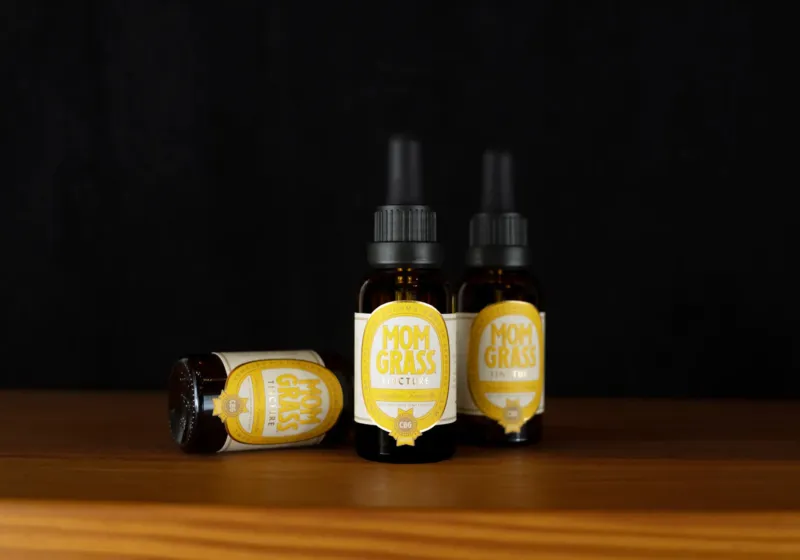
But hemp is not tinned tomatoes. A cold-pressed oil has a best-before date and, just as importantly, a batch date. A balm can turn grainy or lose its scent if it sits in a warm cupboard for months. A tea can go flat and dusty. None of this is dangerous, but it is disappointing. You end up using the last third of a bottle because you feel you should, not because it is at its best.
The bird feeder principle is simpler: buy what you will use in the next few weeks, then buy again. It is less dramatic, but it keeps the shelf fresh.
Batch dates are not a threat
Small-batch British hemp often comes with a batch date that is closer to today than the long expiry dates on mass-market products. That can look like a problem if you are used to buying six months ahead. In practice, it is a useful signal.
A batch date tells you when the oil was pressed or the balm was made. It lets you rotate your shelf properly: older items to the front, newer ones behind. It also makes the monthly rhythm easier, because you can see at a glance whether you are buying at a sensible pace or simply adding to a backlog.
My rule is simple. If I cannot tell you which bottle I opened first, the shelf has become a cupboard. Time to slow down.
The real cost of “free” delivery
UK postage is a quiet influence on how we buy. A flat delivery charge can make a small order feel expensive, and a free-delivery threshold can make a larger order feel wise. Neither feeling is wrong, exactly, but they are not the same as value.
A small monthly order may cost a little more in postage than one big quarterly one. But if the big order means the last balm sits unused until spring, the saving is partly imaginary. The useful calculation is not “what did delivery cost?” but “what did each month of good, fresh product cost?”
There is also a practical middle path. If you know you use one oil and one tea regularly, a modest monthly order can make sense. If you are trying something new, buy one. Let the shelf tell you what deserves a repeat. And if a retailer’s delivery threshold is nudging you towards a product you did not plan to use, that is a good moment to close the tab and make a cup of tea instead.
Cupboard space is a wellness tool
We do not talk about cupboard space much in wellness writing, but it matters. A shelf you can see is a shelf you can use. When bottles are stacked two deep behind a bag of lentils, things get forgotten.
Aim for a small, visible spot away from direct heat and light. Not the bathroom, where steam and temperature swings are not kind to oils. Not the windowsill. A cool kitchen cupboard or a dark shelf is fine. Keep the oldest item at the front and the newest at the back.
Space is also a natural limit on overbuying. If there is no room for another balm, that is not a failing. It is information.
A simple monthly rhythm for 2026
The first week of the month: take everything off the shelf, wipe it down, and check batch dates. Make a note of what is nearly finished. Resist the urge to reorder everything at once. Pick one or two items that will genuinely be used in the next few weeks.
The middle of the month: use the oldest open bottle or jar first. If you have a tea you have been saving for a special occasion, this is the occasion. Hemp products are not ornaments.
The end of the month: write a short list for the next order. If nothing is needed, skip the month. That is allowed. The rhythm is there to serve you, not to create a subscription you did not ask for.
The feeder test
Before you fill your basket, ask the bird feeder question: would I pour a whole sack of seed into the feeder in October and hope for the best? Probably not. So why fill the cupboard with six months of oil in November?
A little and often is not a rule, and it is not a personality. It is just a way of keeping things fresh, visible and useful. It also happens to suit small British hemp makers, who tend to work in modest batches rather than vast warehouses. A steady rhythm of small orders is a quiet kind of support.
As 2026 draws to a close, I am not aiming for a perfect shelf. I am aiming for one that gets used, refilled and noticed. A handful of seed, a fresh bottle, a few minutes of attention. That feels like enough.