Soil Under the Nails: A Calm Hand Routine for Allotment Days

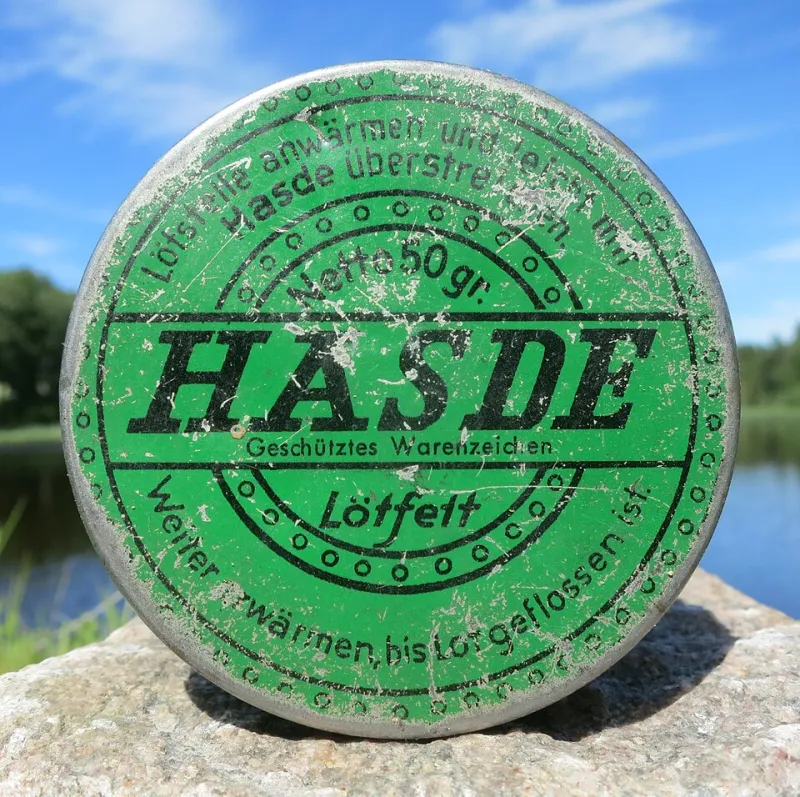
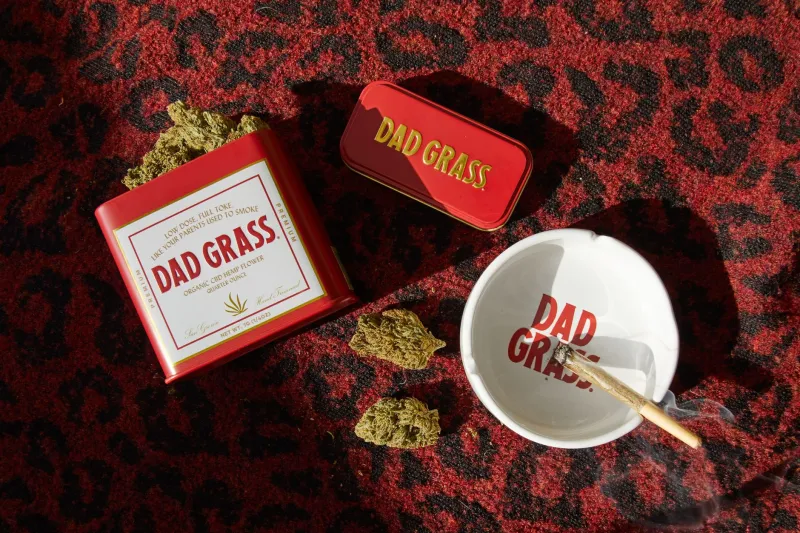
Photo: gardener's muddy hands holding small metal tin of balm on allotment bench, UK, via s-media-cache-ak0.pinimg.com
There is a particular moment on a British allotment site in November. The thermos has gone cold, the light is already thinking about leaving, and you pull off a pair of gloves that have done four hours of honest work. Your hands feel like the back of a spade. Tight across the knuckles, rough at the fingertips, a ridge of mud sitting in the crease of each palm.
This is not a crisis. It is just weather, soil and repetition, and it happens to most of us who keep a plot. But it is also the exact moment a small tin of hemp balm earns its place in the seed tray on the shed shelf. Not as a fix, not as a promise — just as a small, sensible kindness at the end of a cold morning.
Why a morning on the plot leaves hands feeling like sandpaper
Most of the damage is not dramatic. It is cumulative, and it comes from four ordinary things.
Water. Every wash at the standpipe takes a little of the skin's own oil with it. Do that six times in a morning — after the compost, after the bindweed, after the tea — and hands start the afternoon drier than they began it.
Soil. Clay holds water against the skin. Sandy loam gets into every crease and stays there. Either way, there is grit where there should be smoothness, and grit means friction.
Cold. A chilly wind pulls warmth out of fingers faster than any other part of the body, and cold skin is stiffer, less forgiving, more likely to split at the knuckle.
Gloves. Good gloves protect. Ill-fitting gloves rub. Both are true, and most of us own at least one pair of each.
None of this needs a dramatic response. It needs a bit of warmth, a bit of oil and a bit of habit — which is roughly where a plain hemp balm comes in.
What a plain hemp balm label should tell you
Hemp balms are having a moment, which means the shelves are crowded with tins carrying a lot of language. Here is what is worth reading, and what is mostly noise.
A short ingredient list. Hemp seed oil, beeswax or candelilla wax, perhaps shea or jojoba. Maybe a little vitamin E. Six to ten ingredients is plenty for a balm meant for working hands. If the list runs to two lines of unfamiliar words, ask yourself what each one is doing there.
Where the hemp sits on the list. Ingredients are ordered by quantity. If hemp seed oil appears third or fourth, it is a supporting player rather than the main event. That is not automatically wrong, but it should match what the tin claims.
No heavy fragrance. Perfume is the usual suspect when a balm stings a cracked knuckle. A balm for gardener's hands does not need to smell of anything much. If it does, it is probably there for the shelf, not for the skin.
A batch number and a date. In small-batch production this is normal and useful. It tells you the maker knows precisely when the tin was filled, and it gives you a way to ask a question if something seems off.
A period-after-opening symbol. The little open-jar icon with a number — 6M, 12M — tells you how long the balm is at its best once the lid comes off. A 30ml tin used by two hands four times a week will comfortably finish inside that window.
Made in Britain, if that matters to you. It matters to us, but it is a fact to check rather than a feeling to assume. It should be printed plainly, not implied by a flag on the website.
What you will not find, on an honest balm, is a dosage. Balms are not the place to chase a milligram figure; a CBD balm is a skin product first and everything else second. Judge it on how it feels on a cold knuckle, not on a number on the lid.
Three steps: the shed, the sink, the back pocket
A routine only works if it is short enough to survive a wet Tuesday. This one is roughly ninety seconds in total.
Step one — the shed, before the gloves go on
A very thin layer across the knuckles and the backs of the hands before you start. Not a thick smear; you want grip on the fork handle, not a wrestling match. This is the layer that sits between your skin and the clay for the next few hours. Keep the tin on the potting bench where you can see it, not in the bottom of a bag.
Step two — the sink, immediately after washing
This is the important one. Hands that are still slightly damp hold a balm far better than hands that have dried to paper. So: wash the mud off with water that is cool rather than scalding, pat — do not rub — on a clean towel, and get a pea-sized amount of balm worked in within a minute or so. Pay attention to the creases between the fingers and around each nail, because that is where splits begin.
Step three — the back pocket, mid-afternoon
A 15ml tin lives happily in a coat pocket next to a pencil and a stray packet of seed. One quick pass on the way past, particularly if you have been in and out of the tap all day, keeps hands from reaching the tight, prickly stage at all. It has the pleasant side effect of making the last hour on the plot feel slightly less like a chore.
What a balm will not do
A balm is a comfort, not a cure. If hands are cracking deeply, bleeding at the knuckles, or itchy in a way that keeps you awake, that is a conversation for a pharmacist or your GP rather than a tin off the shelf. Likewise, if a balm stings, stop using it — that is your skin telling you something useful.
Two other small things genuinely help. Wear gloves that fit, and take them off before they get soaked through. And wash less often than instinct suggests — a quick rinse is usually enough, and the scrubbing brush can wait until you are home.
The tin at the bottom of the bag
What we like about this routine is how unremarkable it is. There is no step that requires a mirror, a timer or a particular mood. It is just a bit of warmth at the end of a cold job — the same instinct that makes you put the kettle on when you come in.
So leave the tin in the shed. Leave a second one by the kitchen sink if you are the forgetful sort. Come February, when the wind is doing its worst and the garlic is thinking about coming up, your hands will feel the difference, and you will be glad of a small thing done quietly and often.